

How Do You Prove a Premises Liability Claim in Nevada?
How Do You Prove a Premises Liability Claim in Nevada?
Property owners in Nevada have a legal responsibility to maintain reasonably safe conditions for visitors. When they fail to address dangerous hazards and someone is injured as a result, they may be held liable through a premises liability claim. However, simply being injured on someone else's property does not automatically mean the property owner is legally responsible.
To recover compensation, you must be able to demonstrate that the property owner's negligence caused your injuries. Understanding what must be proven can help you better protect your rights after an accident.
Establish That the Property Owner Owed You a Duty of Care
The first step in a premises liability claim is showing that the property owner owed you a duty of care. In general, property owners have a responsibility to keep their premises reasonably safe for lawful visitors, including customers, guests, and clients.
This duty may include:
- Regularly inspecting the property for hazards.
- Repairing dangerous conditions within a reasonable time.
- Warning visitors about known dangers.
- Taking reasonable steps to prevent foreseeable injuries.
The exact duty owed may vary depending on why you were on the property and the circumstances surrounding your visit.
Show That a Dangerous Condition Existed
Next, you'll need to prove that a hazardous condition was present on the property.
Examples of dangerous conditions include:
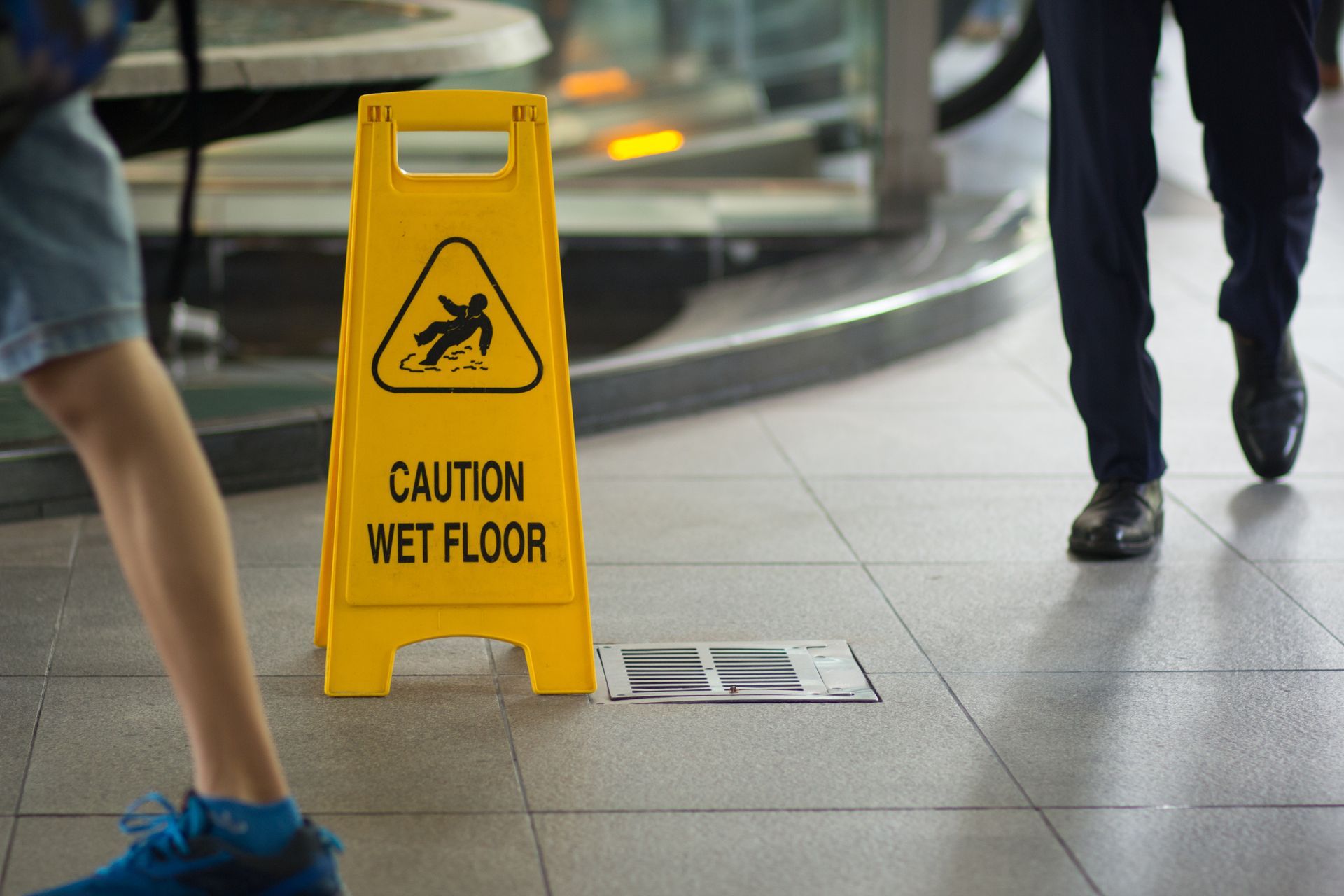
- Wet or slippery floors
- Broken sidewalks or uneven pavement
- Loose handrails or damaged stairs
- Poor lighting in walkways or parking lots
- Falling merchandise or unsecured objects
- Malfunctioning elevators or escalators
The hazard must present an unreasonable risk of harm under the circumstances.
Demonstrate That the Property Owner Knew—or Should Have Known—About the Hazard
One of the most important parts of a premises liability claim is establishing notice. In many cases, you must show that the property owner either knew about the dangerous condition or reasonably should have discovered it through routine inspections.
Evidence that may help establish notice includes:
- Maintenance records
- Inspection logs
- Surveillance footage
- Employee statements
- Prior complaints about the same hazard
- Evidence showing the condition existed for an extended period
For example, if a spill remained on a grocery store floor for a significant amount of time without being cleaned up or marked with warning signs, that could support a claim that the property owner failed to take reasonable action.
Prove That the Hazard Caused Your Injury
It is not enough to show that a dangerous condition existed—you must also connect that hazard directly to your injuries.
Medical records, accident reports, witness statements, and photographs can all help establish that your injuries resulted from the unsafe condition rather than another cause.
Seeking medical treatment promptly after an accident also creates important documentation that can support your claim.
Document Your Damages
A successful premises liability claim also requires evidence of the losses you suffered because of your injury.
These damages may include:
- Medical expenses
- Future medical treatment
- Lost wages
- Loss of earning capacity
- Pain and suffering
- Emotional distress
- Permanent disability or disfigurement
Keeping detailed records of your medical care, missed work, and other accident-related expenses can help demonstrate the full impact of your injuries.
Preserve Evidence as Soon as Possible
Evidence can disappear quickly after a premises liability accident. Hazardous conditions may be repaired, surveillance footage may be erased, and witnesses may become difficult to locate.
If possible, you should:
- Take photographs of the accident scene.
- Document the hazardous condition.
- Obtain contact information for witnesses.
- Report the incident to the property owner or manager.
- Keep a copy of any written incident report.
- Preserve your clothing and footwear if they may be relevant.
Taking these steps early can strengthen your claim and help preserve valuable evidence.
Understand That Every Case Is Different
Every premises liability case involves unique facts. Factors such as the type of property, the nature of the hazard, how long it existed, and the actions of everyone involved can all affect the outcome of a claim.
An experienced premises liability attorney can investigate the circumstances of your accident, gather evidence, communicate with insurance companies, and help determine whether negligence played a role in your injuries.
Hill Firm Can Help You Pursue the Compensation You Deserve
Proving a premises liability claim in Nevada often requires careful investigation and strong evidence. Demonstrating that a property owner failed to maintain a reasonably safe environment is an important part of seeking compensation for your injuries.
If you've been injured because of unsafe conditions on someone else's property, Hill Firm is here to help. Dan Hill thoroughly investigates every case, works to establish liability, and advocates for injured clients throughout the legal process. Contact Hill Firm today to schedule a consultation and learn more about your legal options.